How it works
The process track: map it, find where it's stuck, see where AI fits, fix it, measure the results.
Five steps, one bottleneck at a time. People stay in charge, and every step is about your people, your process and your profit.
Step 1: Start here
Map the business
We put your seats, processes and SOPs on one map, so everyone can see who does what, and which seats suit a person and which suit an AI employee. The map is where your process gets documented and understood by everyone.

Step 2: Then
Find where work gets stuck
With your process on the map, we look for where work waits: on you, on one key person, or on a handoff nobody owns. The free assessment and a short call point the way.
Get your free assessment
Step 3: Then
See where AI fits
Not every bottleneck needs AI. We look at the stuck work together and decide where AI fits, where a person should keep the work, and where a better process or a small tool is the answer.
Step 4: Then
Put the fix in place
We train your people, hire an AI employee for a seat, or build a small app or a dashboard that joins your tools. Each AI employee gets a Growth Playbook: the job, what the AI employee never does, and who checks the work. You choose how much your AI employee does alone, and a regular review always stays on.

Step 5: Easier
Measure
We lock a baseline before we start. Each week you get one page in your own numbers that reports your people and your process, each line marked measured or estimated, and each month the profit lines are reconciled once your books close. No promises up front; the numbers tell the story.

How we show value without promising it.
The Value Ledger is how we measure your people, your process and your profit in your own numbers. The Value Ledger is not a number we promise.
A baseline
Where things stand before we start, written down in week one.
A work log
What each AI employee did, as it happens.
Tags in your systems
Everything we ship gets an ID, so you can see what each item did.
A weekly page, a monthly profit roll-up
Your people and your process each week, and your profit each month once your books close, all in your own numbers, each line marked measured or estimated.
Published only with your yes
A result goes public only when it's measured and you give written permission.
The AI employee track.
Already know where an AI employee could help? This shorter track starts there.
Find where work gets stuck.
See if AI fits. If it doesn't, the process track is the answer.
Hire an AI employee.
Keep a person reviewing your AI employee's work.
What changes: your people, your process, your profit.
Easier gains show up in all three: time back for your people, work that flows, and profit you can see in your own numbers.

Your people
Your best people get their time back for the work only they can do.
More about your people
In a company of 10 or more people, your best people are also your busiest. AI takes the tedious work, so they do their greatest work. Every AI employee reports to a named person who reviews the work on a schedule.
Your process
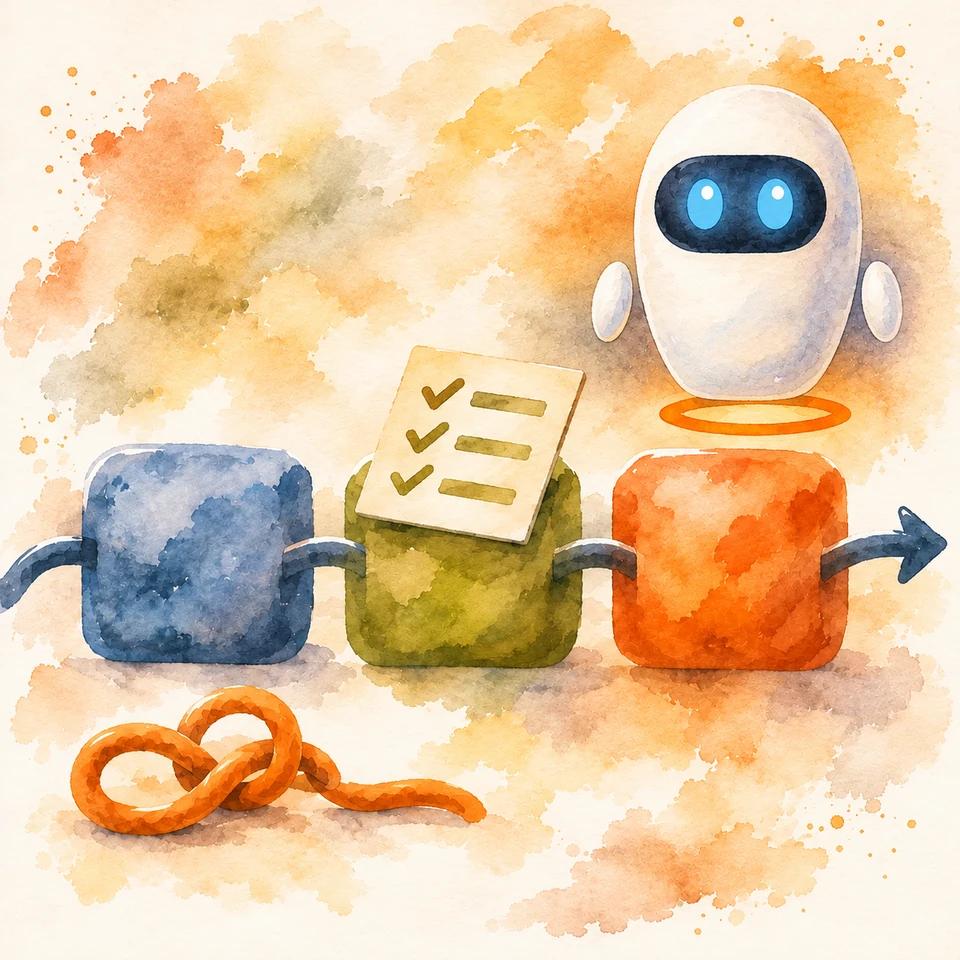
Work stops waiting on one person, because the process is documented and understood.
More about your process
Work waits when the process lives in one head. We document the process as an SOP everyone understands, find where work waits, and put AI employees where they fit, so work flows without waiting on you.
Your profit
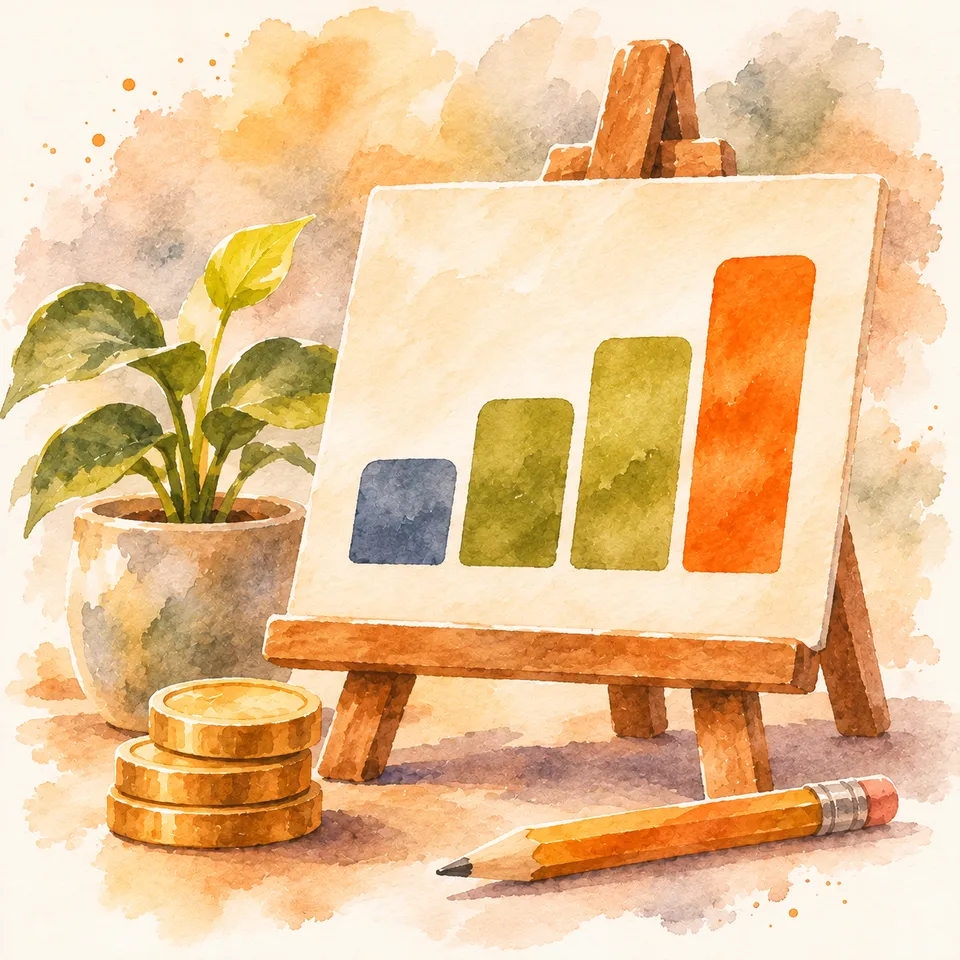
Profit you can see in your own numbers, measured, never promised.
More about your profit
We lock a baseline first. Your weekly page covers people and process; each month, once your books close, we reconcile the profit lines in your own numbers. Each line is marked measured or estimated. We measure each line; we don't promise a number.
What stays human.
- Management and decisions
- Hard conversations
- The craft your customers pay for
Smaller team? Start with the workshop.
Build your first AI employee in two live sessions, with Craig as your guide.
Questions
Questions owners ask.
Do we need to be technical?
No. You don't need to be technical; you need a guide.
Is "people" in people, process, profit the same as HR consulting?
No. We are not an HR firm. "People" here means the work your people do: AI takes the tedious part, so they can do their greatest work. If you want help on the people side, such as how your organization is designed, Craig and his team can help. The team extends to HR consultants, and that work may or may not be us.
Which tool do you use?
Claude. We teach one tool and set it up with you, so your team learns one thing well.
Who owns the data?
You do. Your data stays under your control, and we keep a copy of your numbers only with your written OK.
What if an AI employee isn't working?
We switch that AI employee off and record what we learned. Switching an AI employee off is a good outcome too: you find out with one seat, not a whole department.
Start with one conversation.
Tell us how your business runs today, and we'll show you where work gets stuck.